
- +917842392013
- drbindu.annamraju@gmail.com
- Hyderabad, Telangana
- Survey No 74, Rainbow Hospital Financial District Nanakaramguda,
Unusual Signs of Gynecological Disorders—Do You Know Them
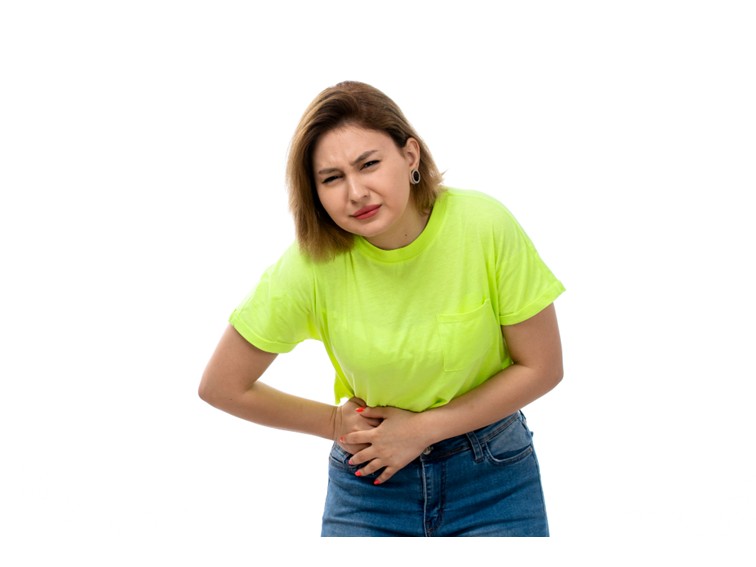
Unusual signs of gynecological disorders: Your body is talking. Are you listening?
A plain-language guide to the unusual, easy-to-dismiss signs of gynecological disorders — and exactly what to do when they show up.
This guide is for information only and does not replace a clinical consultation. If you are experiencing severe pain, heavy bleeding, or symptoms that worry you, please contact a healthcare provider promptly.
Why this matters…
The signs most women brush aside
Gynecological disorders — from endometriosis to PCOS, fibroids to ovarian cysts — affect roughly one in three women at some point in their lives. Yet diagnosis is delayed on average by 7–10 years, largely because many early signs are dismissed as “just a bad period” or normal stress responses. The unusual symptoms are often the most important ones.
This guide walks you through 8 under-recognized warning signs, debunks the myths that keep women from seeking help, and gives you a concrete action plan for your next steps.
8 unusual signs to know
- Bloating that won’t quit (Ongoing)
- Deep fatigue unrelated to sleep (Systemic)
- Pain during or after sex (Pelvic)
- Bowel changes mid-cycle (Cyclical)
- Spotting between periods (Bleeding)
- Frequent, urgent urination (Pelvic floor)
- Unexplained mood shifts mid-cycle (Hormonal)
- Leg or lower back pain with no injury (Referred)
What could be behind these signs?
Unusual symptoms rarely point to a single cause. Here are the four conditions most commonly missed because their signs are subtle or cyclical.
-
Endometriosis
Tissue resembling the uterine lining grows outside the uterus. Signature signs: excruciating cramps that don’t respond to over-the-counter pain relief, pain during sex, bowel changes during periods, and deep fatigue. It is often dismissed as “severe PMS” for years.
-
Polycystic Ovary Syndrome (PCOS)
A hormonal disorder causing irregular ovulation. Unusual signs go beyond irregular periods — look for mid-cycle mood swings, persistent bloating, adult acne, and fatigue that feels disproportionate to your activity level.
-
Uterine fibroids
Non-cancerous growths in the uterine wall. Many women have fibroids without knowing it. When symptoms appear: pelvic pressure, frequent urination (a large fibroid can press on the bladder), heavy periods, lower back pain, and even leg pain.
-
Ovarian cysts
Fluid-filled sacs on the ovaries. Most dissolve on their own, but larger or ruptured cysts cause sudden, sharp pelvic pain, bloating, and spotting. The unusual sign: pain felt on only one side of the lower abdomen that comes and goes.
“Pain is not a personality trait, and suffering silently is not strength. A symptom that keeps returning is your body filing a report—not complaining.”
Myth vs fact
What you’ve probably been told (and why it’s wrong)
Misconceptions delay care. Learn the truth behind common beliefs.
Myth: Painful periods are just part of being a woman.
Period pain that disrupts daily life — making you miss work, cancel plans, or rely on strong painkillers — is not normal. It is a clinical symptom. Conditions like endometriosis and adenomyosis cause exactly this kind of pain and are highly treatable when caught early.
Myth: Spotting between periods is usually nothing to worry about.
While mid-cycle spotting can be harmless (e.g., ovulation spotting), it can also be an early sign of fibroids, polyps, cervical changes, or, in rare cases, early cancer. Any new or recurring spotting warrants a checkup—it doesn’t have to be heavy to be significant.
Myth: You need to have had severe symptoms for years before seeing a specialist.
You are entitled to a referral at any stage if symptoms are affecting your quality of life. Waiting is not a requirement. Earlier referral leads to earlier diagnosis, less invasive treatment options, and better outcomes—especially for conditions like endometriosis and PCOS.
Fact: Keeping a symptom diary genuinely helps get a faster diagnosis.
Clinicians rely on pattern recognition. A diary that maps symptoms to your cycle dates, their severity, and related factors (diet, stress, bowel changes) gives a doctor far more to work with than a verbal summary from memory. It can cut months off the diagnostic journey.
Myth: Bloating and gut issues during your cycle are always IBS.
Endometriosis can grow on the bowel and intestines, causing symptoms virtually identical to IBS—bloating, cramping, and alternating constipation and diarrhea—but only during or around your period. If gut symptoms follow your cycle, that pattern is the clue. An IBS label does not rule out a gynecological cause.
What to do next — step by step
Check off each step as you work through it.
Start tracking symptoms now — note date, severity (1–10), what you were doing, and any linked cycle day.
Book a consultation with your GP or gynecologist. You don’t need symptoms to be “bad “enough”—concern alone is a valid reason.
Bring your symptom diary to the appointment—note which symptoms are cyclical (better or worse around your period).
Ask specifically, “Could this be endometriosis, PCOS, or fibroids?” — naming conditions helps clinicians pursue the right investigations.
Request a pelvic ultrasound if you haven’t had one. It’s the first-line investigation for most gynecological disorders and is widely available.
If dismissed without a clear reason, seek a second opinion. You are your own best advocate, and persistence saves years in diagnosis.
In the meantime, reduce inflammatory triggers—processed food, alcohol, and high stress—which can amplify hormone-driven symptoms.
Connect with a support community (Endometriosis UK, PCOS Awareness Association)—shared experience and peer knowledge are powerful tools.

Leave a Comment