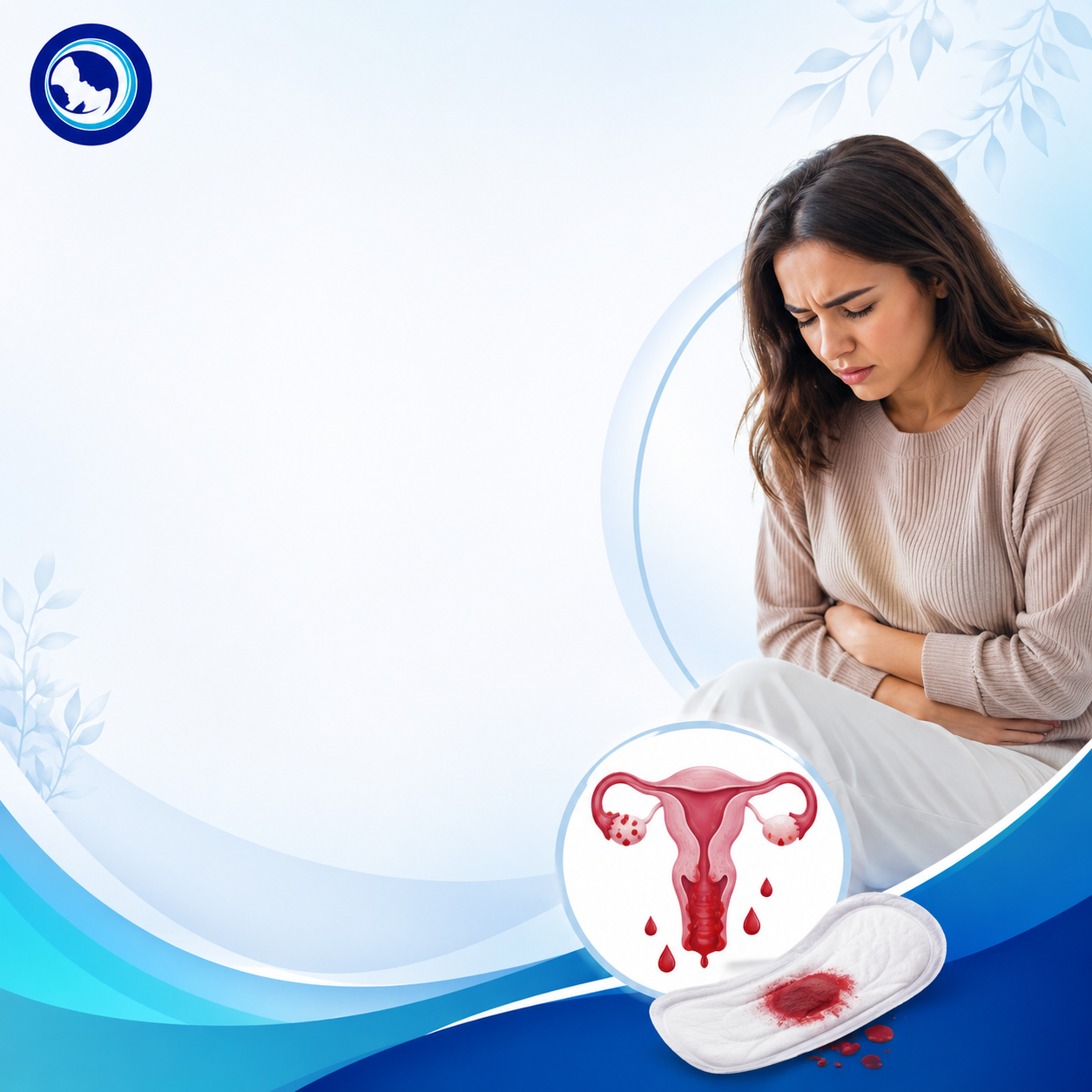
Abnormal Menstrual Bleeding: Causes& Modern Treatment Options
August 6, 2026
Dr. Himabindu
0 Comments
Abnormal Menstrual Bleeding: Causes & Modern Treatment Options
Menstrual cycles are a vital indicator of a woman’s reproductive health. While variations in cycle length and flow can occur occasionally, persistent changes in bleeding patterns should never be ignored. Abnormal Menstrual Bleeding (AMB), also known as Abnormal Uterine Bleeding (AUB), affects millions of women worldwide and is one of the most common reasons for gynecological consultations. According to guidelines from organizations such as the American College of Obstetricians and Gynecologists (ACOG) and research published in leading gynecology journals, timely evaluation and treatment can significantly improve quality of life and prevent complications.
What is Abnormal Menstrual Bleeding?
Abnormal menstrual bleeding refers to any bleeding that differs from a woman’s normal menstrual pattern. This may include:
Excessively heavy menstrual bleeding
Bleeding between periods
Menstrual periods lasting longer than seven days
Very frequent or infrequent periods
Bleeding after menopause
Unexpected spotting between cycles
While occasional irregularities can occur due to stress or hormonal fluctuations, recurrent abnormal bleeding often signals an underlying medical condition that requires attention.
Common Causes of Abnormal Menstrual Bleeding
Hormonal Imbalances
Hormones such as estrogen and progesterone regulate the menstrual cycle. Conditions that disrupt hormonal balance can lead to irregular or heavy bleeding.
Common examples include:
Polycystic Ovary Syndrome (PCOS)
Thyroid disorders
Perimenopause
Obesity-related hormonal changes
Uterine Fibroids
Fibroids are non-cancerous growths within the uterus that can cause:
Heavy menstrual bleeding
Prolonged periods
Pelvic pressure
Anemia due to blood loss
Endometrial Polyps
These are small growths in the uterine lining that may lead to irregular bleeding, spotting between periods, or heavy menstrual flow.
Adenomyosis
Adenomyosis occurs when the tissue lining the uterus grows into the muscular wall of the uterus. Women may experience:
Heavy periods
Severe menstrual cramps
Pelvic pain
Pelvic Inflammatory Disease (PID)
Chronic pelvic infections can affect the reproductive organs and contribute to abnormal bleeding patterns.
Pregnancy-Related Causes
Bleeding during pregnancy may result from:
Implantation bleeding
Miscarriage
Ectopic pregnancy
Any unexpected bleeding during pregnancy should be evaluated promptly.
Endometrial Hyperplasia or Cancer
Although less common, abnormal bleeding—especially after menopause—can be an early warning sign of endometrial cancer. Early diagnosis significantly improves treatment outcomes.
Warning Signs That Require Medical Attention
Seek gynecological evaluation if you experience:
Soaking through sanitary pads every hour
Passing large blood clots
Bleeding lasting more than seven days
Severe fatigue or dizziness
Bleeding after menopause
Persistent spotting between periods
Pelvic pain associated with bleeding
Ignoring these symptoms may lead to complications such as anemia, fertility problems, or delayed diagnosis of serious conditions.
How is Abnormal Menstrual Bleeding Diagnosed?
A comprehensive evaluation helps identify the underlying cause.
Medical History and Physical Examination
Your gynecologist will assess:
Menstrual cycle patterns
Duration and severity of bleeding
Associated symptoms
Medical and reproductive history
Laboratory Tests
Blood tests may evaluate:
Hemoglobin levels
Thyroid function
Hormonal status
Pregnancy status
Imaging Studies
Pelvic ultrasound is commonly used to detect:
Fibroids
Polyps
Ovarian cysts
Structural abnormalities
Advanced Diagnostic Procedures
In selected cases, doctors may recommend:
Hysteroscopy
Endometrial biopsy
Saline infusion sonography
These procedures help evaluate the uterine cavity and rule out precancerous or cancerous conditions.
Modern Treatment Options
Treatment depends on the underlying cause, severity of symptoms, age, and future fertility plans.
Medical Management
For many women, medications provide effective symptom relief.
Options include:
Hormonal contraceptive pills
Progesterone therapy
Hormonal intrauterine devices (IUDs)
Nonsteroidal anti-inflammatory drugs (NSAIDs)
Tranexamic acid for heavy bleeding
These treatments help regulate cycles and reduce menstrual blood loss.
Treatment of Underlying Conditions
Managing the root cause often resolves abnormal bleeding.
Examples include:
Thyroid medication for thyroid disorders
Lifestyle modification for obesity-related hormonal imbalance
Treatment for PCOS
Antibiotics for pelvic infections
Minimally Invasive Procedures
When medications are ineffective, minimally invasive interventions may be recommended.
These include:
Hysteroscopic Polypectomy
Removal of uterine polyps through a hysteroscope.
Fibroid Removal (Myomectomy)
Preserves the uterus while removing problematic fibroids.
Endometrial Ablation
A procedure that destroys the uterine lining to reduce heavy menstrual bleeding in women who have completed childbearing.
Surgical Treatment
In severe or persistent cases, surgery may be necessary.
Hysterectomy
Removal of the uterus provides a permanent solution for certain conditions such as large fibroids, severe adenomyosis, or cancer.
Can Abnormal Menstrual Bleeding Be Prevented?
While not all causes are preventable, maintaining overall reproductive health can help reduce risk:
Maintain a healthy weight
Exercise regularly
Manage stress effectively
Seek timely treatment for hormonal disorders
Attend routine gynecological check-ups
Avoid ignoring persistent menstrual changes
Final Thoughts
Abnormal menstrual bleeding is not simply an inconvenience—it can be an important signal from your body that something needs medical attention. Advances in gynecological diagnostics and minimally invasive treatments have made it easier than ever to identify the cause and provide effective relief.
If you notice persistent changes in your menstrual cycle, heavy bleeding, spotting between periods, or postmenopausal bleeding, consult a qualified gynecologist promptly. Early diagnosis and personalized treatment can protect your reproductive health, improve your quality of life, and provide peace of mind for the future.
Leave a Comment