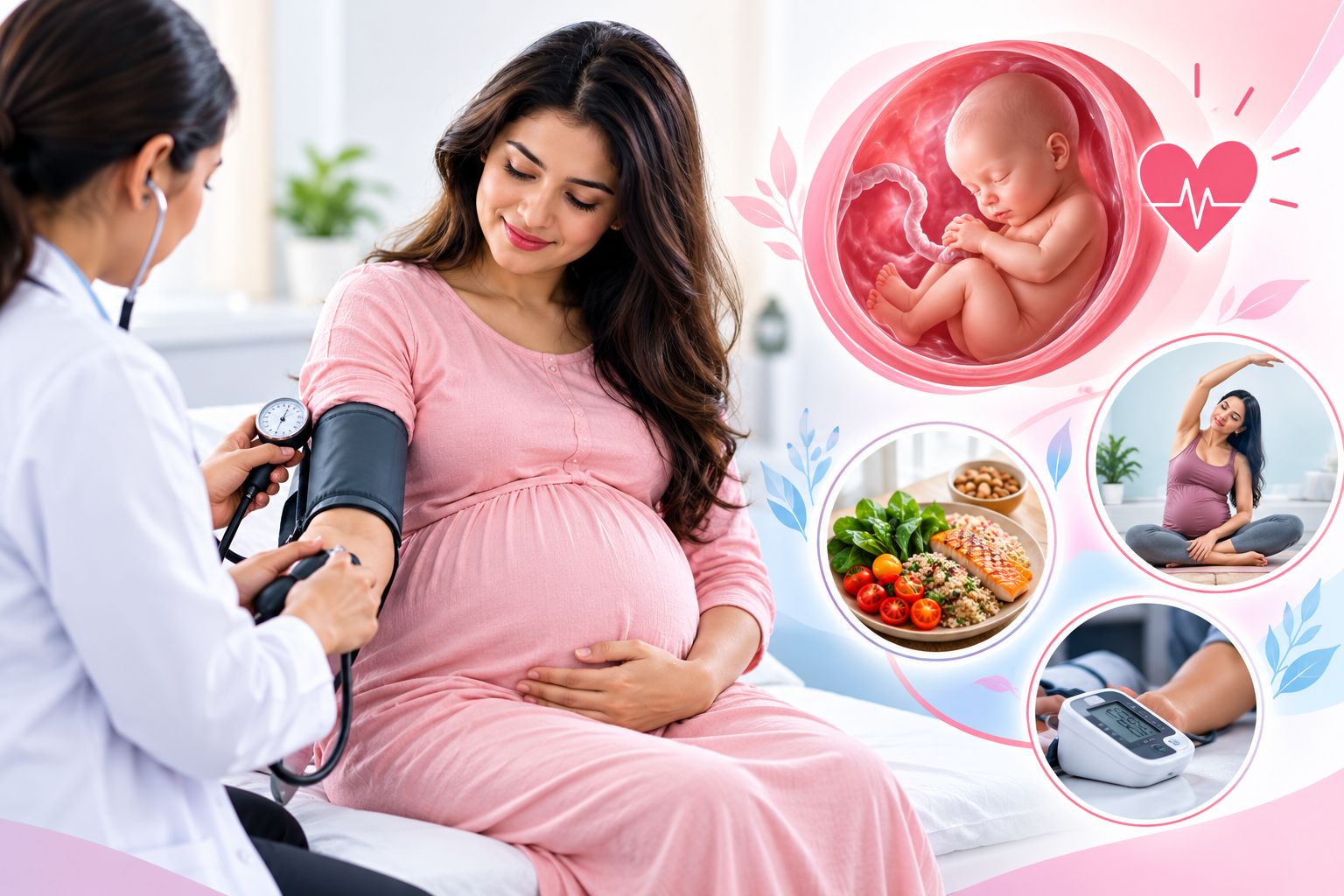
Ways to Keep Mother and Baby Safe
Pregnancy is a time of excitement, anticipation, and countless changes. But what happens when your blood pressure starts rising? Understanding pregnancy-related hypertension can help you recognize potential problems early and take the right steps toward a healthier pregnancy.
Pregnancy brings many changes to a woman’s body. From hormonal fluctuations to increased blood circulation, the body works continuously to support the growing baby. While most changes are normal, some require closer medical attention.
One such condition is high blood pressure during pregnancy, also called hypertension in pregnancy.
It may develop without noticeable symptoms, which is why regular antenatal checkups are so important. When identified and managed appropriately, many women with hypertension go on to have healthy pregnancies.
So, what causes blood pressure to rise during pregnancy? How can you recognize the warning signs? And what can you do to protect yourself and your baby?
What Is High Blood Pressure During Pregnancy?
Blood pressure measures the force of blood pushing against your arteries’ walls.
A reading contains two numbers. For example, 120/80 mmHg:
During pregnancy, blood pressure is generally considered high when the systolic reading is 140 mmHg or higher, or the diastolic reading is 90 mmHg or higher, confirmed through appropriate measurements.
A reading of 160/110 mmHg or higher is considered severe and requires urgent medical assessment.
Are All Types of Pregnancy Hypertension the Same?
No. Doctors classify hypertension in pregnancy into several categories.
High blood pressure that existed before pregnancy or is identified before 20 weeks of gestation. It may continue after childbirth.
High blood pressure that develops after 20 weeks of pregnancy without the additional findings required for a diagnosis of preeclampsia.
A potentially serious pregnancy complication involving high blood pressure after 20 weeks, along with protein in the urine or signs of organ dysfunction. It can affect the kidneys, liver, brain, and placenta.
This occurs when a woman with existing hypertension develops additional features of preeclampsia.
Understanding the type of hypertension helps your obstetrician decide on monitoring, medication, and delivery planning.
What Causes High Blood Pressure During Pregnancy?
There isn’t always one identifiable cause.
In gestational hypertension and preeclampsia, changes involving the placenta, blood vessels, and the body’s response to pregnancy may contribute to elevated blood pressure.
Certain factors increase the likelihood of developing hypertension during pregnancy.
Common Risk Factors
First pregnancy: Preeclampsia is more common among women experiencing their first pregnancy.
Previous pregnancy complications: A history of gestational hypertension or preeclampsia increases the risk in subsequent pregnancies.
Family history: Having a mother or sister who experienced preeclampsia may increase susceptibility.
Existing medical conditions: Chronic hypertension, kidney disease, diabetes, and certain autoimmune disorders can increase risk.
Obesity: Having a higher body mass index before pregnancy is associated with increased risk.
Multiple pregnancy: Carrying twins or triplets places additional demands on the body and increases the likelihood of preeclampsia.
Maternal age: Pregnancies at age 35 or older may carry a higher risk of certain hypertensive complications.
Importantly, high blood pressure can also develop in women with none of these risk factors.
What Are the Symptoms of High Blood Pressure During Pregnancy?
Here’s something every expectant mother should know:
High blood pressure often causes no symptoms at all.
You may feel completely normal even when your readings are elevated. This makes routine blood pressure monitoring essential.
However, preeclampsia can produce important warning signs.
Seven Warning Signs You Should Never Ignore
These symptoms do not automatically mean you have preeclampsia, but they should never be dismissed.
Seek urgent maternity assessment if you develop these warning signs. A blood pressure reading of 160/110 mmHg or higher also requires immediate assessment, even if you feel well.
How Can High Blood Pressure Affect Your Baby?
When hypertension becomes severe or affects placental function, the baby may receive less oxygen and fewer nutrients.
Possible complications include restricted fetal growth, premature birth, and placental abruption—a serious condition in which the placenta separates from the uterus before delivery.
For the mother, severe hypertension can increase the risk of stroke, kidney or liver problems, and seizures associated with eclampsia.
These complications are not inevitable. Early diagnosis, careful monitoring, and appropriate treatment can significantly improve outcomes.
How to Manage High Blood Pressure During Pregnancy
Managing pregnancy-related hypertension requires a combination of medical supervision, healthy daily habits, and careful monitoring.
Regular checkups help your obstetrician detect changes before complications develop.
Depending on your condition, your doctor may recommend blood pressure measurements, urine protein testing, blood tests for kidney and liver function, platelet counts, and ultrasound examinations to monitor your baby’s growth.
If advised, use a validated upper-arm blood pressure monitor with the correct cuff size.
Sit quietly for five minutes before taking a reading. Keep your feet flat on the floor, support your arm at heart level, and record the results.
Contact your maternity team if readings reach 140/90 mmHg or higher, following your individualized monitoring plan. Seek immediate medical assessment for a reading of 160 systolic or 110 diastolic or higher.
Focus on vegetables, fruits, whole grains, pulses, dairy or suitable alternatives, and healthy protein sources.
Limit highly processed foods and excessive sodium intake, but avoid extreme dietary restrictions. Strict salt restriction is not recommended solely to prevent preeclampsia.
Maintain adequate hydration and follow your obstetrician’s nutritional advice.
Gentle walking, pregnancy-appropriate yoga, and other moderate activities may support overall cardiovascular health.
However, exercise recommendations must be individualized, especially if you have severe hypertension, preeclampsia, or another pregnancy complication.
Avoid starting strenuous workouts without medical approval.
Some women need medication to keep their blood pressure within a safer range.
Commonly prescribed options include labetalol, nifedipine, and methyldopa, depending on the clinical situation.
Certain blood pressure medicines used outside pregnancy may be unsafe for the developing baby.
Never start, stop, or change medication without consulting your obstetrician.
For women at increased risk of preeclampsia, doctors may recommend low-dose aspirin beginning around 12 weeks of pregnancy.
It can reduce the likelihood of preeclampsia in selected patients, but it is not appropriate for everyone.
Only take aspirin when prescribed.
If blood pressure remains controlled and mother and baby are doing well, pregnancy may continue with close supervision.
However, severe preeclampsia or worsening maternal or fetal health may require earlier delivery.
The timing depends on gestational age, blood pressure severity, test results, and the baby’s condition.
Can High Blood Pressure Continue After Delivery?
Yes. Although gestational hypertension often improves after childbirth, blood pressure may remain elevated or rise during the postpartum period.
Preeclampsia can also develop for the first time after delivery.
Continue prescribed medication and postpartum blood pressure monitoring, and attend follow-up appointments even if you feel completely well.
Yes. Many women with controlled hypertension can have a vaginal delivery. The safest delivery method depends on both maternal and fetal health.
Everyday stress is not considered a direct cause of preeclampsia. The condition involves complex placental and vascular changes. Stress management can support general wellbeing but does not replace medical treatment.
No. Many pregnancies complicated by hypertension have positive outcomes, especially with timely monitoring and appropriate medical care.
In many cases, gestational hypertension resolves after childbirth. However, some women may continue to have high blood pressure and require follow-up care.
The frequency depends on your individual risk factors and medical history. Your obstetrician will recommend a monitoring schedule that is appropriate for your pregnancy.
Seek urgent medical care if you experience severe headaches, vision changes, chest pain, difficulty breathing, severe abdominal pain, or sudden swelling of the face and hands.
High blood pressure during pregnancy deserves attention, but a diagnosis does not mean you cannot have a healthy pregnancy.
The most important steps are recognizing warning signs, attending regular antenatal appointments, following prescribed treatment, and maintaining close communication with your obstetrician.
Remember: You cannot always feel high blood pressure, but regular monitoring can detect it.
If you have elevated blood pressure, persistent headaches, visual disturbances, or unusual swelling during pregnancy, seek timely medical advice.

Leave a Comment