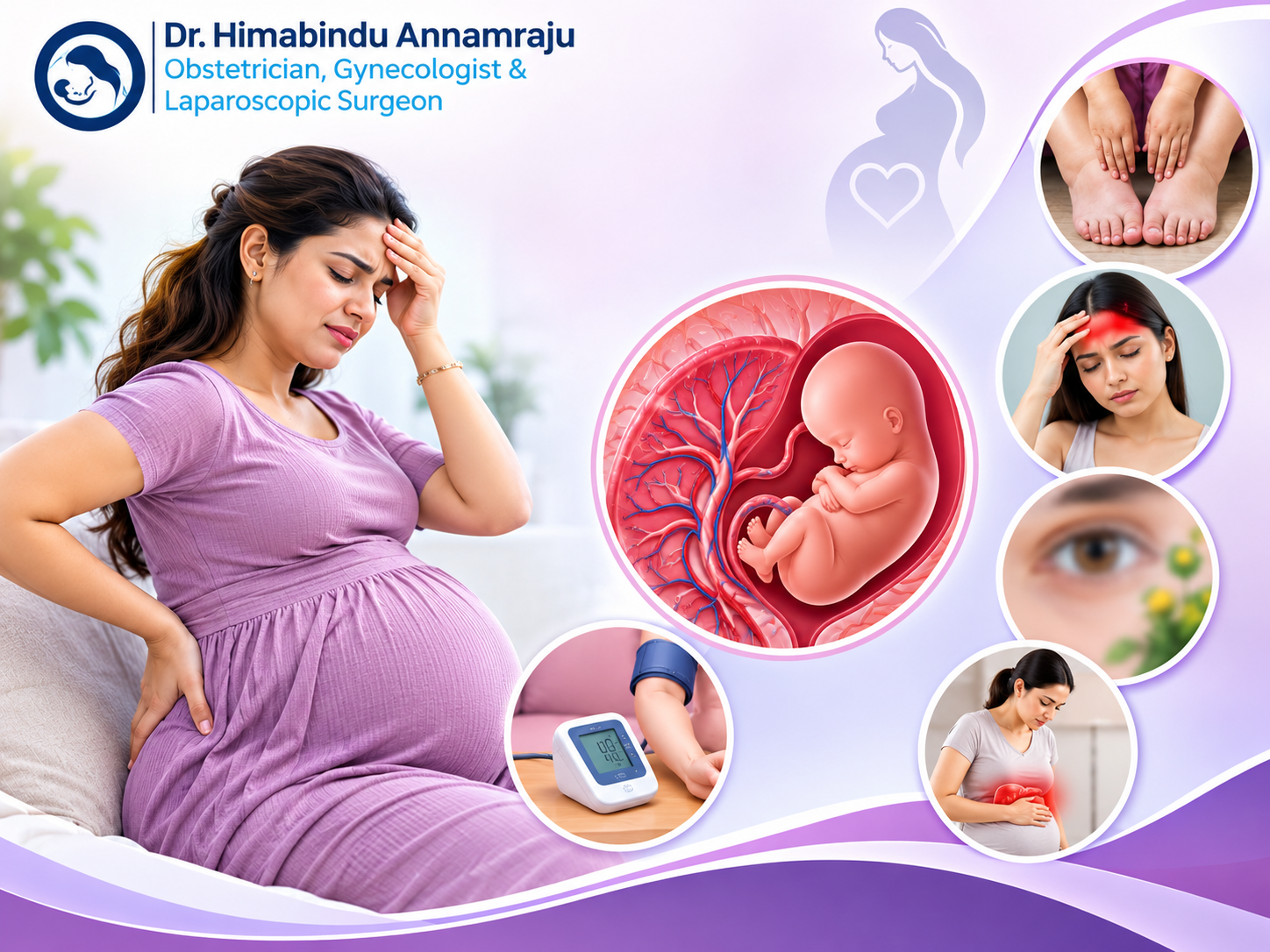
Preeclampsia causes and symptoms: Pregnancy is a beautiful journey filled with excitement, anticipation and countless changes in a woman’s body. However, certain health complications can develop unexpectedly, even when everything seems to be progressing normally. One such condition is preeclampsia, a potentially serious pregnancy complication that requires timely medical attention.
Have you noticed unusual swelling in your hands or face, persistent headaches or sudden changes in your vision during pregnancy? While some discomfort is normal, these symptoms could indicate something more serious.
Understanding preeclampsia, recognizing its warning signs and attending regular antenatal checkups can help protect both mother and baby.
What Is Preeclampsia?
Preeclampsia is a pregnancy-related disorder characterized by high blood pressure and signs of organ dysfunction, most commonly affecting the kidneys or liver. It usually develops after the 20th week of pregnancy, even in women who previously had normal blood pressure.
Although preeclampsia primarily occurs during pregnancy, it can also develop after childbirth, a condition known as postpartum preeclampsia.
What makes this condition particularly concerning is that some women experience no noticeable symptoms during its early stages. Regular blood pressure monitoring and antenatal examinations are therefore essential.
Preeclampsia causes and symptoms
Although the exact cause remains unknown, researchers believe preeclampsia originates in the placenta—the temporary organ responsible for supplying oxygen and nutrients to the developing baby.
Normally, blood vessels develop and expand to support adequate blood flow to the placenta. In women with preeclampsia, these vessels may develop abnormally, restricting blood circulation and triggering changes that affect blood pressure and organ function.
Genetic factors, immune system abnormalities and underlying vascular conditions may also contribute.
Who Is at Greater Risk?
You may have an increased risk of developing preeclampsia if you:
Are pregnant for the first time.
Have experienced preeclampsia in a previous pregnancy.
Are expecting twins or multiple babies.
Have pre-existing diabetes, hypertension or kidney disease.
Have a family history of preeclampsia.
Are living with obesity.
Are aged 35 years or older.
Have certain autoimmune disorders or conceived through IVF.
However, preeclampsia can also occur in healthy women without any known risk factors.
Signs and Symptoms of Preeclampsia
How do you distinguish normal pregnancy discomfort from a potential warning sign? Pay attention to symptoms that appear suddenly, become persistent or feel unusually severe.
Common signs and symptoms include:
High blood pressure: A reading of 140/90 mmHg or above requires medical assessment.
Persistent headaches: Severe headaches that do not improve with usual measures.
Sudden swelling: Unusual puffiness around the face, eyes or hands.
Vision disturbances: Blurred vision, flashing lights or temporary vision loss.
Upper abdominal pain: Particularly beneath the ribs on the right side.
Sudden weight gain: Rapid weight gain associated with fluid retention.
Nausea and vomiting: Particularly when newly experienced during the second half of pregnancy.
Shortness of breath: Sometimes caused by fluid accumulation in the lungs.
Remember, swelling alone does not establish a diagnosis, and preeclampsia can occur without noticeable symptoms.
What Are the Complications of Preeclampsia?
Without appropriate medical management, preeclampsia can progress rapidly, putting both mother and baby at risk.
Complications for the Mother
Eclampsia: A serious complication involving seizures that requires emergency medical intervention.
HELLP syndrome: A life-threatening disorder involving red blood cell destruction, liver damage and reduced platelet levels.
Organ damage: Severe preeclampsia can impair kidney, liver, brain and cardiovascular function.
Stroke: Uncontrolled high blood pressure increases the risk of serious neurological complications.
Women who experience preeclampsia also face an increased risk of cardiovascular disease, hypertension and kidney disease later in life.
Complications for the Baby
Fetal growth restriction: Reduced placental circulation may limit the oxygen and nutrients available for the baby’s development.
Premature birth: Early delivery may become necessary to protect maternal and fetal health.
Placental abruption: Premature separation of the placenta from the uterine wall can cause severe bleeding.
Stillbirth: In severe cases, compromised placental function may threaten the baby’s survival.
How Is Preeclampsia Diagnosed and Managed?
Doctors diagnose preeclampsia through blood pressure measurements, urine examinations, blood tests and assessment of the baby’s growth.
Depending on the severity and stage of pregnancy, treatment may involve blood pressure medications, close maternal and foetal monitoring, hospitalization and magnesium sulfate to prevent seizures.
Delivery is the definitive treatment for pregnancy-associated preeclampsia, although continued monitoring after childbirth remains important.
For women at increased risk, doctors may recommend preventive low-dose aspirin. Never start medication during pregnancy without professional guidance.
When Should You Consult a doctor?
Seek immediate medical attention if you experience severe headaches, visual disturbances, sudden facial swelling, intense upper abdominal pain or breathing difficulties during pregnancy or after childbirth.
Do not wait until your next scheduled antenatal appointment.
Final Thoughts
Preeclampsia can be concerning, but timely diagnosis, appropriate treatment and specialist supervision can significantly reduce the risk of serious complications.
Listen to your body, attend every recommended antenatal appointment and discuss unusual symptoms with your obstetrician. With appropriate medical care, many women with preeclampsia achieve positive pregnancy outcomes.
Prioritize your health today to protect your baby’s tomorrow. Every pregnancy deserves attentive, compassionate and expert care.
To know more about Preeclampsia causes and symptoms, meet Dr. Himabindu
Frequently Asked Questions
Can I have a normal delivery with high blood pressure?
Yes. Many women with controlled hypertension can have a vaginal delivery. The safest delivery method depends on both maternal and fetal health.
Does stress cause preeclampsia?
Everyday stress is not considered a direct cause of preeclampsia. The condition involves complex placental and vascular changes. Stress management can support general wellbeing but does not replace medical treatment.
Will my baby definitely be affected?
No. Many pregnancies complicated by hypertension have positive outcomes, especially with timely monitoring and appropriate medical care.
Can high blood pressure during pregnancy go away after delivery?
In many cases, gestational hypertension resolves after childbirth. However, some women may continue to have high blood pressure and require follow-up care.
How often should blood pressure be monitored during pregnancy?
The frequency depends on your individual risk factors and medical history. Your obstetrician will recommend a monitoring schedule that is appropriate for your pregnancy.
When should I seek immediate medical attention?
Seek urgent medical care if you experience severe headaches, vision changes, chest pain, difficulty breathing, severe abdominal pain, or sudden swelling of the face and hands.
Final Thoughts: Healthy Mother, Healthy Baby
High blood pressure during pregnancy deserves attention, but a diagnosis does not mean you cannot have a healthy pregnancy.
The most important steps are recognizing warning signs, attending regular antenatal appointments, following prescribed treatment, and maintaining close communication with your obstetrician.
Remember: You cannot always feel high blood pressure, but regular monitoring can detect it.
If you have elevated blood pressure, persistent headaches, visual disturbances, or unusual swelling during pregnancy, seek timely medical advice.
Leave a Comment